Mike Kelly Toyota of Uniontown

Best Toyota for Pennsylvania Winters

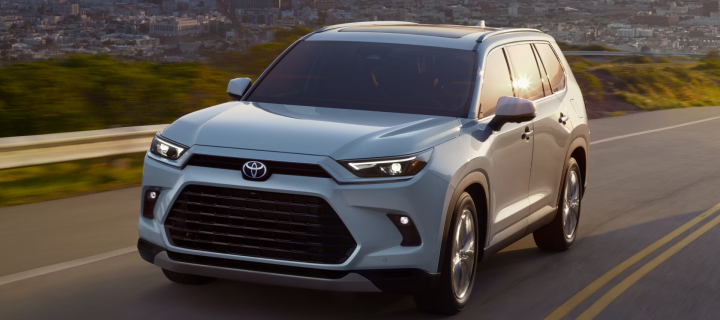
A white Toyota Grand Highlander driving along a curving road above a valley at sunrise
A driver and passenger in the front seats of a Toyota SUV on a country road

Elevation decides what winter looks like here. Valleys across Fayette County average about 43 inches of snow a year; the higher ground runs up to about 75 inches. Chestnut Ridge climbs to about 2,993 feet, so a single trip can start on wet pavement and finish on packed snow. That variation is why choosing a winter vehicle in Southwestern Pennsylvania depends far more on your own roads than on any ranking. The useful question is not which Toyota is best in snow, but which one matches the winter you actually drive.

Deep snow and rough ground: the 4Runner and the Tacoma.

A family on winter roads: the Highlander and Grand Highlander, with the Sequoia as the step up when there is a heavy trailer to pull.

An everyday commute with all-wheel drive: the RAV4, the Corolla Cross and the Crown Signia.

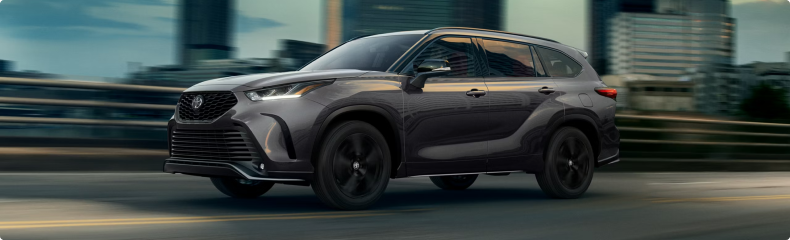
A dark gray Toyota Highlander driving through a city at dusk

What Actually Matters in a Fayette County Winter

“Best” on this page means the closest fit to your own winter, not a rank order. A vehicle that is right for a lane off Chestnut Ridge is the wrong purchase for someone whose whole winter is a main road cleared by breakfast. Both of those buyers deserve a straight answer. The choice comes down to 5 measures.

Ground clearance: This is the measure people underrate. It decides whether a ridge of plowed snow across the end of the driveway, or an unbroken few inches of overnight snow, is an inconvenience or a stopping point. The spread across these models runs from 6.7 inches to 10.1 inches, and on some models the trim moves it as much as the model does. That reads like a small difference on paper. It is not a small difference at the end of a driveway.

All-wheel drive or four-wheel drive: These earn their keep on the hills. Pulling away from a stop on a slick incline is the whole problem, and every vehicle here has one system or the other. So the real question is what you are willing to give up for more capability.

How many people it carries: Seats are a fixed requirement, not a preference. A household of 7 does not shrink in January, and ground clearance is no answer at all if 2 people are left standing in the driveway.

Whether it has to tow: A trailer does not get lighter when the temperature drops. When towing is part of the winter job, the tow rating narrows the list before any other measure gets a say.

Running costs: The vehicle that solves February also has to make sense in June. Capability beyond what your roads demand is a payment you make in every month of the year.

No single Toyota wins on all 5 measures, so one overall winner is the wrong thing to look for. The model that reaches the most ground clearance seats 5, and only in its off-road trims. The 2 that seat 7 sit at 8.0 inches of clearance, lower than the off-road-leaning models. The one that tows the most is more vehicle than a cleared commute ever asks for. So name the measure you cannot compromise on, take the strongest option among the vehicles that meet it, and let the rest settle where they land.

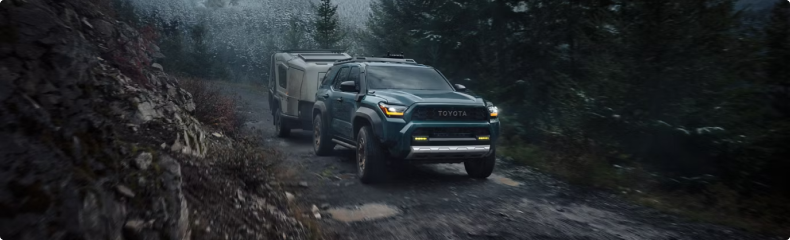
A green Toyota 4Runner towing a trailer up a wet gravel road through evergreen forest

The Winter Shortlist, by What You Need

These are the models that cover most of the winter decisions people bring us.

Vehicle Ground clearance Drive Seats Best suited to
4Runner 8.1 in on SR5, up to 10.1 in on Trailhunter and TRD Pro Four-wheel drive 5 Unplowed lanes, steep gravel, deep snow
RAV4 8.1 in, 8.5 in on the Woodland trim Electronic On-Demand all-wheel drive 5 The everyday winter commute
Corolla Cross 8.1 in All-wheel drive 5 A smaller budget on mostly paved routes
Highlander 8.0 in All-wheel drive 7 Carrying 7 on roads that get plowed
Grand Highlander 8.0 in All-wheel drive 7 Carrying 7 with cargo or a light trailer
Crown Signia 6.7 in All-wheel drive 5 Highway winter miles in a lower vehicle

Read that table starting with whatever you cannot give up. The clearance column separates the vehicles built for unbroken snow from the ones built for roads somebody else clears. For anyone carrying 7, the seats column ends the argument on its own.

When the winter job includes pulling something, the shortlist changes shape.

Vehicle Drive Max towing Best suited to
Sequoia Four-wheel drive 9,500 lb The heaviest winter hauling
Tacoma Four-wheel drive 6,300 to 6,400 lb A bed and a trailer together
Grand Highlander All-wheel drive 3,500 lb hybrid, 5,000 lb gas or Hybrid MAX A light trailer without moving to a truck

Deepest snow and rough ground: When the road stops behaving like a road, the 4Runner and the Tacoma are the 2 to look at. In its Trailhunter and TRD Pro trims the 4Runner reaches 10.1 inches of clearance, the most of anything here, though the SR5 sits at 8.1, so the trim matters as much as the badge. Either way it seats 5. That is the compromise built into it: the tallest-riding vehicle here is not the one that carries the most people. The Tacoma trades interior room for a bed and a 6,300 to 6,400 lb tow rating, so it suits a winter with work in it as well as weather.

Both are familiar to us. Our stock is truck-dominant and skews overwhelmingly toward all-wheel drive and four-wheel drive, and the off-road trims are ordinary on our lot rather than an exception: Trailhunter sits alongside TRD Off-Road, TRD Sport and TRD Pro.

Family plus a winter road: The Highlander and the Grand Highlander both seat 7 with all-wheel drive at 8.0 inches of clearance, which is 2.1 inches under a Trailhunter or TRD Pro 4Runner and about level with a 4Runner SR5. That gap matters on an unbroken driveway. Where a plow has already been through, it matters not at all, so the third row costs you nothing on most Fayette County winter mornings.

What separates the 2 is what they can pull. The Grand Highlander is rated at 3,500 lb as a hybrid and 5,000 lb with the gas or Hybrid MAX setup, while the Highlander is the simpler answer when nothing gets towed. Above both sits the Sequoia at 9.1 inches and 9,500 lb, the vehicle to look at when towing is the reason for the purchase rather than an occasional errand.

Everyday commuting with all-wheel drive: The RAV4, Corolla Cross and Crown Signia handle the winter most people around here actually have. The RAV4 pairs all-wheel drive with 8.1 inches of clearance, or 8.5 inches on the Woodland trim, and it is offered as a hybrid for 2026. The Corolla Cross matches that 8.1 inches in a smaller package, which makes it the value pick on this list rather than a compromise.

The Crown Signia sits lowest at 6.7 inches, and that figure is worth pausing on: it is 1.4 inches under the RAV4 and 3.4 inches under a Trailhunter or TRD Pro 4Runner. If your winter is highway miles on cleared road, a lower vehicle with all-wheel drive is a sound choice. If your last mile home is unbroken, it is not.

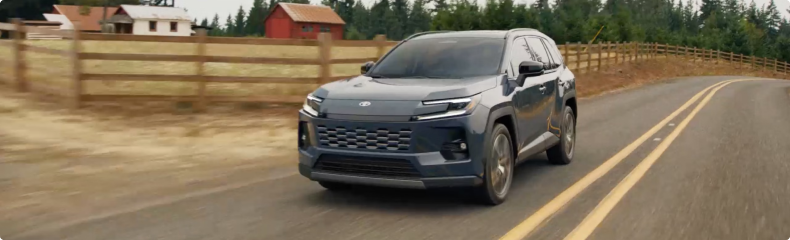
A blue Toyota crossover on a rural two-lane road passing a fence line and red barn

Where a Hybrid Fits in a Cold-Weather Lineup

A hybrid is not a compromise on winter capability. Treating it as one narrows your choices for no reason. We carry hybrids broadly across the range, so the powertrain rarely forces you out of the vehicle shape your winter calls for. Pick the vehicle on the 5 measures first, then decide how you want it powered.

The RAV4 hybrid sits directly in the most common winter shape here: a 5-seat crossover with all-wheel drive and 8.1 inches of ground clearance. The commute, not the mountain lane, is the winter most buyers around here are actually solving for.

The one place the choice genuinely bites is towing. On the Grand Highlander, the hybrid is rated 1,500 lb below the gas or Hybrid MAX setup. If a trailer is part of the plan, decide the powertrain around the trailer rather than the other way around.

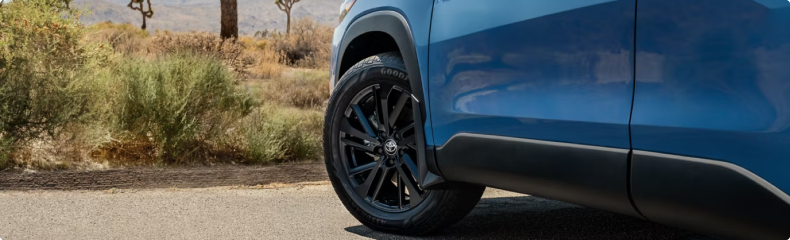
Close-up of the front wheel and black alloy rim of a blue Toyota Corolla Cross parked on a desert road

Who Should Look Elsewhere

Plenty of drivers here do not need the most capable option on the list, and buying one anyway is money spent on a problem you do not have. These are the 4 cases where we would talk you down the list rather than up it.

Short paved commutes: If your winter is a few miles of borough streets that are cleared early, a 4Runner is more capability than the trip requires. A Corolla Cross with all-wheel drive at 8.1 inches covers that drive properly, and costs less to run through the months when snow is not the problem.

Routes that get plowed early: Living on a main road changes the math. Clearance matters most where nobody clears the snow for you. If your road is among the first cleared, weight the decision toward seats and running costs, and treat ground clearance as a tiebreaker rather than the deciding measure.

A garage-kept second car: If the vehicle in question is the one that stays home on the bad days, winter capability should not drive the purchase at all. Buy it for the job it does the rest of the time, and let the other vehicle in the driveway handle the mornings that one was bought for.

A tight budget: Stretching to the highest-clearance model and then feeling the payment every month makes for a worse winter than a sensible all-wheel-drive crossover would. A lower-clearance all-wheel-drive vehicle is a real answer, not a consolation prize, and the 8.1 inches under a Corolla Cross is the same figure a RAV4 carries. If credit is the sticking point rather than the budget, we do in-house financing for all credit, and credit is one consideration among several. Start at financing with no credit history.

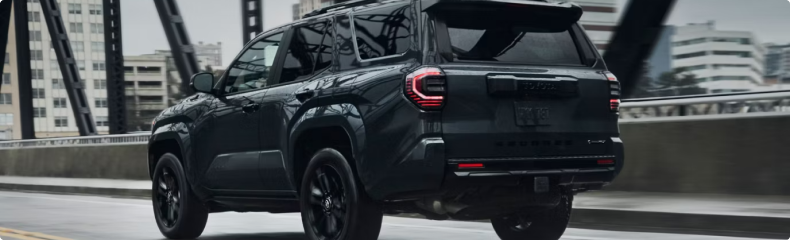
A dark gray Toyota 4Runner seen from behind crossing a city bridge

Seeing Them in Winter Conditions

A test drive on flat, dry pavement tells you almost nothing about how a vehicle handles a Fayette County January. Ask to take it up a real hill instead. Chestnut Ridge and the climbs out of the valley towns settle the question faster than a spec table can, and the difference between the lowest vehicle here and the highest stops being abstract the moment you meet a plow ridge. Driving 2 finalists back to back on the same climb is worth more than reading about either of them.

Browse what is on the ground today in our new Toyota inventory. If a lower payment matters more than the newest model year, our used vehicle listings carry the same all-wheel-drive and four-wheel-drive character as the rest of our stock. Our Toyota specials change monthly, so see our current offers for the latest deals. Ask about our Kelly Confidence Program when you come in.

Frequently Asked Questions

Which Toyota has the most ground clearance for deep snow?

The 4Runner, but the trim decides it: the SR5 sits at 8.1 inches, while the Trailhunter and TRD Pro reach 10.1. It seats 5, so it is the pick when clearance outranks passenger count, and it is worth naming the trim when you ask. The Sequoia is next at 9.1 inches and adds the heaviest tow rating here at 9,500 lb. If the driveway is your problem rather than the commute, those 2 are where to start.

Is all-wheel drive enough for a winter here, or do I need four-wheel drive?

For most drivers in Southwestern Pennsylvania, all-wheel drive is enough. Ordinary snowfall on a road that gets cleared is well within what a RAV4 or Corolla Cross handles, and the same is true of the Highlander, Grand Highlander and Crown Signia. Four-wheel drive models like the 4Runner, Tacoma and Sequoia make the difference when your road is unplowed, steep, gravel, or all 3 at once. The deciding factor is your own driveway and the first mile past it, not the county average.

How much snow does Fayette County actually get?

Snowfall here splits by elevation. The valley average runs about 43 inches a year; climb toward the ridges and the figure rises to roughly 75. With Chestnut Ridge topping out near 2,993 feet, two households in the same county can face genuinely different winters, which is why the right answer depends on your own road rather than a county-wide average.

Can I get a hybrid with all-wheel drive?

Yes. The RAV4 is offered as a hybrid for 2026 and carries Electronic On-Demand all-wheel drive with 8.1 inches of ground clearance. We carry hybrids broadly across the range, so choosing one rarely forces you out of the vehicle shape you wanted.

Which Toyota carries 7 people and still handles winter roads?

The Highlander and the Grand Highlander, each seating 7 with all-wheel drive and 8.0 inches of ground clearance. Look at the Grand Highlander if you also tow, since it is rated at 3,500 lb as a hybrid and 5,000 lb with the gas or Hybrid MAX setup. Both sit lower than the 4Runner, which is what the third row costs you.

Which Toyota makes sense if my winter is mostly highway miles?

The Crown Signia, if you want all-wheel drive without a taller vehicle. At 6.7 inches it carries the least ground clearance on this list. That is the honest trade-off. It is the least suited of these to an unbroken driveway, and the one that keeps a lower ride for a driver whose winter is mostly cleared road. If your last mile home is rough, step up to the RAV4 at 8.1 inches instead.

Do I have to spend more to get a Toyota that handles snow?

No. The Corolla Cross carries all-wheel drive and 8.1 inches of ground clearance, the same clearance as a RAV4, in the smallest package on this list. Buying more capability than your roads demand is the more common mistake around here. Our Toyota specials change monthly, so see our specials page for the latest deals.

What should I be looking at if I tow in winter?

Start with the tow rating and work backward. The Sequoia leads at 9,500 lb with four-wheel drive and 9.1 inches of ground clearance. The Tacoma is rated at 6,300 to 6,400 lb and gives you a bed as well. The Grand Highlander covers lighter trailers at 3,500 lb as a hybrid or 5,000 lb with the gas or Hybrid MAX setup, without moving you into a truck. Bring the loaded weight of what you actually pull, not the empty weight, and we will match it against the right vehicle.

Should I buy new or used for a winter vehicle?

Either can be the right call. If a lower payment matters more than the newest model year, our used Toyota inventory carries the same all-wheel-drive and four-wheel-drive character as the rest of our stock, and that is often the sensible route for a vehicle bought mainly to handle the bad mornings. If you want the newest configurations of these models, start with our new vehicle listings.

Can I finance a winter vehicle if my credit is rough?

We do in-house financing for all credit, and credit is one consideration among several rather than the only one. The practical step is to start the conversation before you settle on a vehicle, so your shortlist is built around a real budget instead of a guess. Begin with our no-credit-history financing option.