

Engine System
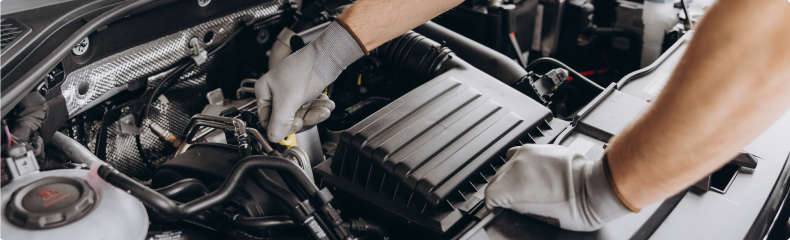
The 2.0L Dynamic Force engine is built for efficient daily driving in Toyota compact models. It uses a 2.0L Inline-4 layout, D-4S dual injection, Dual VVT-i valve timing, and a Dynamic-Shift Continuously Variable Transmission.
| Specification | Detail |
|---|---|
| Engine code | M20A-FKS |
| Engine type | 2.0L Dynamic Force Inline-4 |
| Valve configuration | DOHC, 16-valve |
| Fuel system | D-4S dual injection, direct and port |
| Valve timing | Dual Variable Valve Timing with intelligence, Dual VVT-i |
| Transmission | Dynamic-Shift Continuously Variable Transmission |
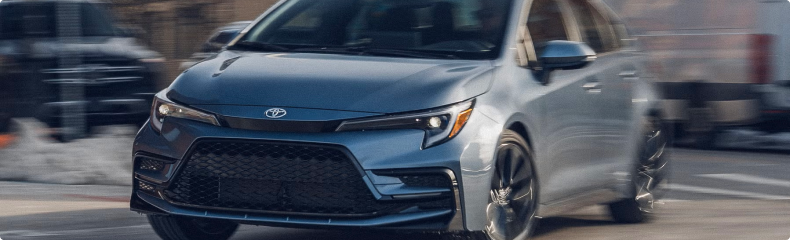
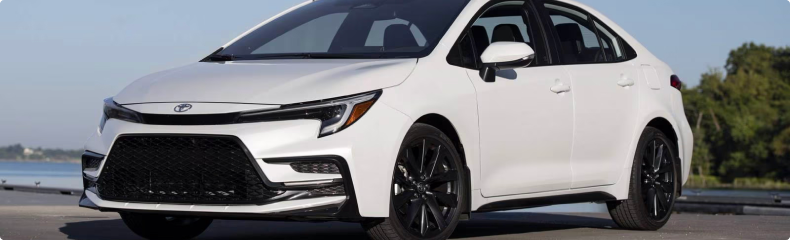
| Corolla Sedan output | 169 hp at 6,600 rpm, 151 lb-ft at 4,400 rpm |
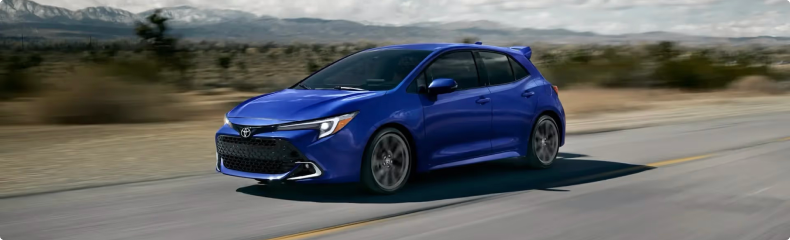
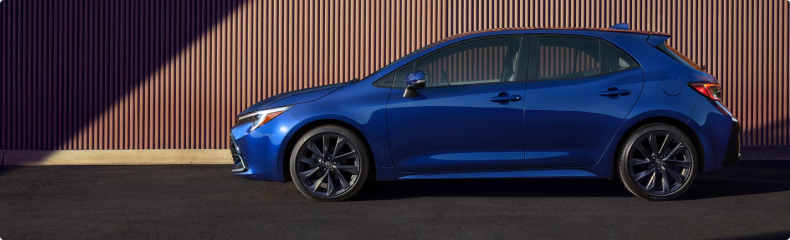
| Corolla Hatchback output | 169 hp at 6,600 rpm, 151 lb-ft at 4,800 rpm |
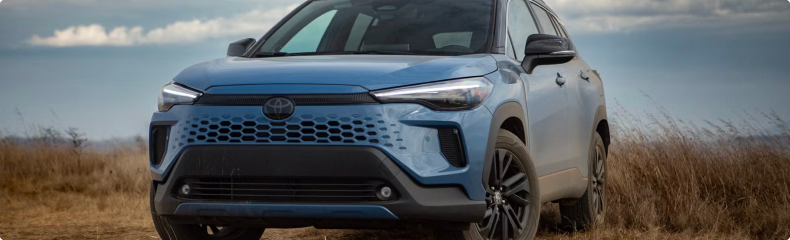
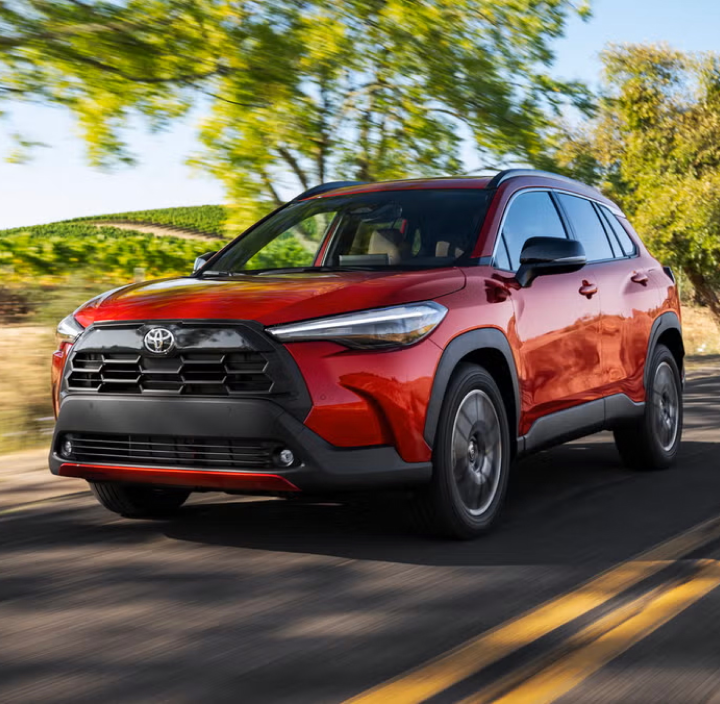
| Corolla Cross gas output | 150 hp at 6,000 rpm, 139 lb-ft at 4,400 rpm |
| Corolla Cross towing | Up to 1,500 lbs |
How the System Works
Toyota's D-4S dual injection system uses both direct injection and port injection. Direct injection supports power under load, while port injection supports clean combustion during lighter driving. The system can use each injection method where it works best.
Dual VVT-i adjusts intake and exhaust valve timing as engine speed and load change. That helps the engine balance response and fuel economy across normal driving conditions, from stop-and-go errands to highway cruising.
The Dynamic-Shift CVT gives this engine a more direct feel from a stop than older CVT designs. It uses a physical launch gear for initial acceleration, then transitions into CVT operation for efficient cruising.
The Corolla Cross version is tuned differently than the Corolla Sedan and Corolla Hatchback versions. Corolla Sedan and Corolla Hatchback models produce 169 hp, while the Corolla Cross gas model produces 150 hp and 139 lb-ft of torque for its crossover application.