

Mike Kelly Toyota of Uniontown

2026 Toyota 2.4L Turbo Engine Powertrain

The 2026 Toyota 2.4L turbocharged 4-cylinder engine gives Toyota non-hybrid SUVs and trucks strong low-speed response from a smaller engine. Commonly identified as T24A-FTS in Toyota technical materials, it powers gas versions of the Highlander, Grand Highlander, Tacoma, and 4Runner.

This engine replaced older V6 powertrains in several Toyota models and also serves as the foundation for hybrid systems such as i-FORCE MAX and Hybrid MAX. This page focuses on the non-hybrid gas version.

Jump To
  • Engine System
  • Vehicles Powered
  • Engine Comparison
  • Service & Maintenance
  • Western Pennsylvania Driving
  • FAQ
2.4L Turbo Engine Powertrain Engine System

Engine System

The 2.4L turbocharged Toyota engine is built to deliver strong torque early, then support that response with D-4S dual injection, Dual VVT-i valve timing, and an 8-speed automatic transmission in most gas models. Output varies by vehicle application, with Highlander and Grand Highlander gas models rated at 265 hp, while Tacoma and 4Runner models reach up to 278 hp and 317 lb-ft of torque.

Specification Detail
Engine code T24A-FTS, commonly identified in Toyota technical materials
Engine type 2.4L Turbocharged Inline-4
Displacement 2,393 cc
Valve configuration DOHC, 16-valve
Fuel system D-4S dual injection, direct and port
Valve timing Dual Variable Valve Timing with intelligence, VVT-i
Transmission Direct Shift-8AT 8-speed electronically controlled automatic transmission
Stop and Start System Standard
Highlander / Grand Highlander output 265 hp
Highlander output 310 lb-ft of torque
Tacoma / 4Runner output Up to 278 hp, up to 317 lb-ft
Tacoma manual option 6-speed intelligent manual transmission with rev-matching and stall avoidance on select Tacoma i-FORCE models

How the System Works

The 2.4L turbocharged engine uses a turbocharger to make torque early in the rpm range. In the Highlander application, peak torque arrives low in the rev range, which helps the engine respond when pulling away from a stop, merging, climbing grades, passing, or towing.

Toyota's D-4S dual injection system uses both direct injection and port injection. Direct injection supports power under load, while port injection supports clean combustion during lighter driving. The system changes fuel delivery based on engine demand rather than relying on only 1 injection method.

Dual VVT-i adjusts valve timing across the rpm range. That allows the engine to respond to different driving conditions, from light throttle cruising to heavier acceleration.

The gas engine covered here should be separated from Toyota's hybrid systems that use the same basic engine layout. Highlander, Grand Highlander, Tacoma, and 4Runner gas models use the engine without electric motor assistance. Hybrid MAX and i-FORCE MAX applications pair the 2.4L turbo with electrified hardware, different system tuning, and a high-voltage hybrid battery.
Vehicles Powered by the 2.4L Turbocharged Engine

Four Toyota models use the 2.4L turbocharged engine in non-hybrid form: Highlander, Grand Highlander, Tacoma, and 4Runner. The same engine family appears across these vehicles, but Toyota tunes output, transmission choices, and vehicle role differently by platform.

Toyota Highlander 2026

Toyota Highlander (2026)

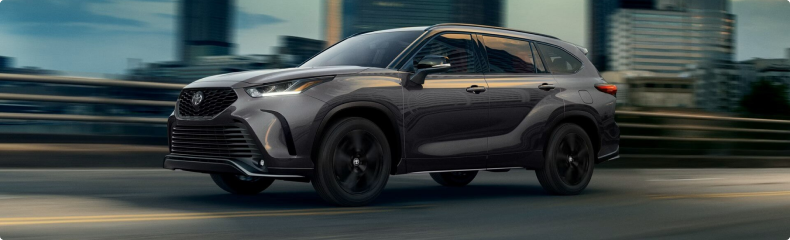
The 2026 Toyota Highlander uses the 2.4L turbocharged gas engine across XLE, XSE, Limited, and Platinum gas trims. The engine produces 265 hp and 310 lb-ft of torque. The Highlander gas model uses the Direct Shift-8AT 8-speed automatic transmission and is rated at up to 5,000 lbs of towing capacity. The 2026 Highlander gas model earns an EPA-estimated 21/28/24 mpg city/highway/combined. The alternative is the Highlander Hybrid, which uses the 2.5L Dynamic Force Hybrid system instead of the 2.4L turbo gas setup.

View Highlander and Other New Toyotas
Toyota Grand Highlander 2026

Toyota Grand Highlander (2026)

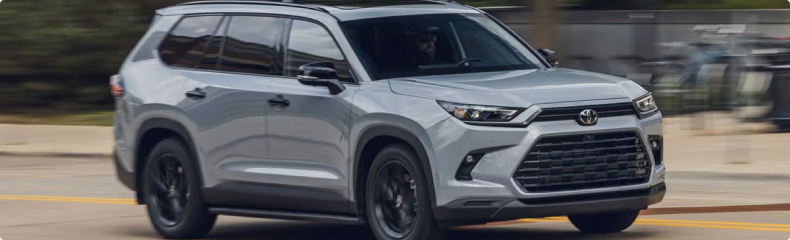
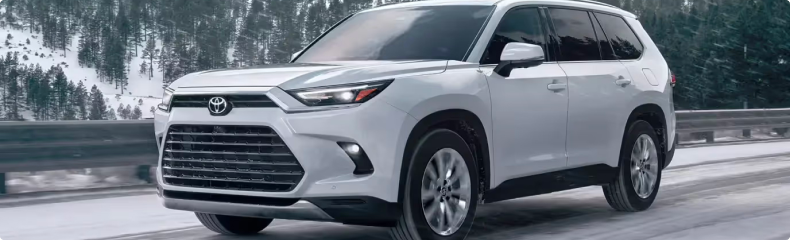
The 2026 Toyota Grand Highlander uses the 2.4L turbocharged gas engine on LE, XLE, Limited, and Platinum gas trims. The gas powertrain is rated at 265 hp and pairs with the Direct Shift-8AT 8-speed automatic transmission. The Grand Highlander gas model is rated at up to 5,000 lbs of towing capacity. Toyota also offers the Grand Highlander with 2 electrified powertrains: the 2.5L Dynamic Force Hybrid and the Hybrid MAX system. The Hybrid MAX version uses the 2.4L turbo engine as part of an electrified powertrain, not the non-hybrid setup covered here.

View Grand Highlander and Other New Toyotas
Toyota Tacoma 2026

Toyota Tacoma (2026)

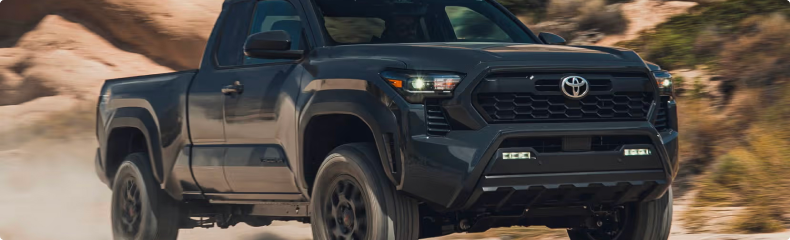
The 2026 Toyota Tacoma uses Toyota's non-hybrid i-FORCE 2.4L turbocharged engine across its gas lineup. Output reaches up to 278 hp and 317 lb-ft of torque, depending on configuration. A 6-speed intelligent manual transmission with rev-matching and stall avoidance is available on select i-FORCE models. Tacoma offers up to 6,500 lbs of towing capacity, with an EPA-estimated highway rating of up to 26 mpg. This engine replaced the previous-generation Tacoma V6 powertrain for the all-new Tacoma generation.

Browse Current Tacoma Inventory
Toyota 4Runner 2026

Toyota 4Runner (2026)

The 2026 Toyota 4Runner uses the 2.4L turbocharged engine across its non-hybrid lineup for the sixth-generation 4Runner. Output reaches up to 278 hp and 317 lb-ft of torque, depending on configuration. The engine replaced the previous 4Runner V6 and gives the 4Runner more torque at lower rpm. Hybrid 4Runner models use the i-FORCE MAX system, which adds electric motor assistance to the 2.4L turbo foundation. The non-hybrid 2.4L turbo is the standard gas engine for shoppers who want the new 4Runner platform without the hybrid system.

View 4Runner and Other New Toyotas

Engine Comparison

Toyota's 2.4L turbocharged gas engine is most useful to compare against 2 powertrain directions: the older V6 engines it replaced, and the Toyota hybrid systems that use the 2.4L turbo with electric assist.

Compared to the Older V6 Engines It Replaced

Spec 2.4L Turbocharged Engine Previous V6 Engines
Vehicles Highlander, Grand Highlander, Tacoma, 4Runner Prior Highlander, Tacoma, and 4Runner applications
Engine layout Turbocharged Inline-4 Naturally aspirated V6
Highlander / Grand Highlander output 265 hp Replaced the prior Highlander V6 powertrain
Tacoma / 4Runner output Up to 278 hp, up to 317 lb-ft Replaced the previous-generation Tacoma V6 and the previous 4Runner V6
Torque behavior Strong torque arrives low in the rpm range Larger displacement, less turbo-assisted low-rpm torque
Transmission 8-speed automatic, with Tacoma manual option on select trims Varies by older application

The 2.4L turbocharged engine gives Toyota a smaller gas engine with stronger early torque than the older V6 applications it replaced. That matters most when accelerating from low speed, merging onto the highway, climbing grades, or moving a loaded SUV or truck. The trade-off is character: shoppers used to Toyota's older V6 engines may notice the different feel of a turbocharged 4-cylinder.

Compared to Toyota Hybrid Versions of the 2.4L Turbo

Spec Gas 2.4L Turbo Hybrid 2.4L Turbo Applications
Vehicles Highlander, Grand Highlander, Tacoma, 4Runner gas models Tacoma i-FORCE MAX, 4Runner i-FORCE MAX, Land Cruiser, Crown Platinum, Grand Highlander Hybrid MAX
Engine role Main gas power source Gas engine paired with electric motor assistance
Hybrid battery Not used High-voltage hybrid battery
Driving priority Gas power, towing, torque, broad availability More power, electric assist, or performance-focused hybrid tuning
Transmission Direct Shift-8AT 8-speed automatic, with Tacoma manual option on select trims Depends on hybrid system and vehicle

The gas 2.4L turbo is the simpler choice for shoppers comparing Toyota's non-hybrid SUVs and trucks. i-FORCE MAX and Hybrid MAX models add electric motor assistance, a high-voltage battery, and different system tuning. The key difference is simple: gas models use the engine as the main power source, while hybrid versions use it as part of an electrified powertrain.

Service and Maintenance

Service and Maintenance

The 2.4L turbocharged engine needs routine gas-engine maintenance, including oil changes, filter replacements, fluid checks, tire rotations, and inspections at factory-recommended intervals. Turbocharged engines also make proper maintenance important because the turbocharger, cooling system, oil system, and fuel system all work together under load.

Every new Toyota Highlander, Grand Highlander, Tacoma, and 4Runner at Mike Kelly Toyota comes with ToyotaCare, which covers normal factory-scheduled maintenance for 2 years or 25,000 miles, whichever comes first, plus 2 years of unlimited-mileage roadside assistance. ToyotaCare Plus is available as an extension for owners who want longer coverage.

Factory-trained service technicians can inspect the engine, transmission, fuel system, cooling system, filters, fluids, and related components during scheduled visits. For Toyota owners in Western Pennsylvania, Mike Kelly Toyota can handle scheduled service for Highlander, Grand Highlander, Tacoma, and 4Runner models with the 2.4L turbocharged engine.

Driving the 2.4L Turbo in Western Pennsylvania

Driving the 2.4L Turbo in Western Pennsylvania

Western Pennsylvania driving makes low-rpm torque useful. Drivers in Uniontown, Connellsville, Brownsville, Waynesburg, Hopwood, and nearby communities deal with hills, highway merges, rural routes, and changing elevation, all places where early engine response helps a vehicle feel more confident without needing to rev hard.

The 2.4L turbo torque curve fits regional SUV and truck use. Route 40, Route 119, Laurel Highlands trips, and drives toward Morgantown, WV can involve grades, passing zones, winter conditions, and loaded family travel. In the Highlander and Grand Highlander, the engine supports 3-row utility with up to 5,000 lbs of towing capacity. In the Tacoma and 4Runner, it supports truck and trail-oriented use with more torque than the older V6 applications it replaced.

Fuel economy also matters for Western Pennsylvania drivers who split time between small-town driving and longer highway trips. The 2026 Highlander 2.4L turbo earns an EPA-estimated 21/28/24 mpg city/highway/combined, while the 2026 Tacoma i-FORCE offers an EPA-estimated highway rating of up to 26 mpg. For shoppers moving out of older V6 SUVs or trucks, those figures help explain why Toyota shifted this part of the lineup to a smaller turbocharged engine.

Frequently Asked Questions About the 2.4L Turbocharged Engine

What is the Toyota 2.4L turbocharged engine?

Toyota's 2.4L turbocharged engine is an Inline-4 gas engine used in several Toyota SUVs and trucks. It is commonly identified in Toyota technical materials as T24A-FTS. It powers gas versions of the 2026 Highlander, Grand Highlander, Tacoma, and 4Runner. Output varies by vehicle, from 265 hp in Highlander and Grand Highlander applications to up to 278 hp and 317 lb-ft of torque in Tacoma and 4Runner applications.

Which Toyota vehicles use the gas 2.4L turbo engine?

The 2.4L turbocharged engine is used in gas versions of the Highlander, Grand Highlander, Tacoma, and 4Runner. The Highlander and Grand Highlander use it in their gas trims. Tacoma and 4Runner use it across their non-hybrid i-FORCE lineups. Toyota also uses the 2.4L turbo as part of select hybrid powertrains, but those systems add electric motor assistance and different tuning.

Is the 2.4L turbo a hybrid engine?

The engine covered on this page is the non-hybrid gas version of Toyota's 2.4L turbocharged engine. Toyota also uses the same basic engine design in i-FORCE MAX and Hybrid MAX models. Those systems add electric motor assistance and a high-voltage hybrid battery. Shoppers should compare the full powertrain, not just the engine displacement or engine code.
What engine did the 2.4L turbo replace?

In the Highlander, the 2.4L turbo replaced the prior V6 powertrain. In the Tacoma, it replaced the previous-generation Tacoma V6 powertrain for the all-new Tacoma generation. In the 4Runner, it replaced the previous 4Runner V6 for the sixth-generation model. The main change is that Toyota moved to a smaller turbocharged engine with stronger low-rpm torque.

How much horsepower and torque does the 2.4L turbo make?

In the Highlander and Grand Highlander, the 2.4L turbocharged gas engine is rated at 265 hp. Highlander output includes 310 lb-ft of torque. In the Tacoma and 4Runner, output reaches up to 278 hp and 317 lb-ft of torque. Output varies because Toyota tunes the engine for each vehicle platform.

Can the 2.4L turbocharged engine tow?

Yes. The Highlander and Grand Highlander gas models with the 2.4L turbo engine are rated at up to 5,000 lbs of towing capacity. The Tacoma i-FORCE with the 2.4L turbo offers up to 6,500 lbs of towing capacity. Towing depends on vehicle configuration, equipment, and proper setup, so shoppers should check the exact model and trim before choosing.

Does the 2.4L turbo need premium fuel?

Toyota fuel requirements can vary by model and configuration, so owners should follow the guidance printed in the owner's manual and on the fuel door label. For shoppers comparing Highlander, Grand Highlander, Tacoma, or 4Runner models, the main differences covered here are output, transmission pairing, towing role, and hybrid versus non-hybrid setup.

How is the 2.4L turbo different from i-FORCE MAX?

The gas 2.4L turbo uses the engine as the main power source. i-FORCE MAX uses the 2.4L turbo engine as part of an electrified powertrain with electric motor assistance and a high-voltage hybrid battery. The result is a different system with different output, tuning, and vehicle applications. Tacoma and 4Runner shoppers may see both gas i-FORCE and hybrid i-FORCE MAX options, so the difference matters when comparing trims.