

Mike Kelly Toyota of Uniontown

2026 Toyota i-FORCE MAX Hybrid Powertrains

The i-FORCE MAX badge covers two different hybrid powertrains, not one. Both pair a turbocharged gas engine with a 48-horsepower electric motor and a 288-volt nickel-metal hydride battery, and both are tuned to deliver torque the moment a driver asks for it. The 3.4-liter twin-turbo V6 (V35A-FTS) powers the 2026 Toyota Tundra and Sequoia. The 2.4-liter turbo 4-cylinder (T24A-FTS) powers the 2026 Toyota Tacoma, 4Runner, and Land Cruiser.

Jump To
  • 3.4L V6 i-FORCE MAX
  • 2.4L Turbo i-FORCE MAX
  • Shared Technology
  • Compared to Non-Hybrid i-FORCE
  • Service & Maintenance
  • Driving i-FORCE MAX
  • FAQ
Find a Toyota
3.4L V6 Twin-Turbo i-FORCE MAX

The 3.4L V6 Twin-Turbo i-FORCE MAX

The 3.4L V6 i-FORCE MAX is the most powerful powertrain in Toyota's current lineup, built for full-size truck and SUV duty in the Tundra and Sequoia. It delivers more torque than any non-hybrid Toyota truck engine, and it delivers that torque at lower rpm, where towing and hauling actually need it. The system pairs a twin-turbocharged 3.4-liter V6 (engine code V35A-FTS) with a 48-horsepower electric motor placed between the engine and the 10-speed automatic transmission. Net output is 437 horsepower and 583 lb-ft of torque, with peak torque arriving at 2,400 rpm.

Specification Detail
Engine code V35A-FTS
Application Tundra, Sequoia
Gasoline engine 3.4-liter Twin-Turbo V6
Displacement 3,445 cc
Compression ratio 10.5:1
Hybrid system net power 437 hp at 5,200 rpm
Hybrid system net torque 583 lb-ft at 2,400 rpm
Electric motor 48 hp / 184 lb-ft
Hybrid battery 288V Nickel-Metal Hydride, 1.87 kWh
Transmission 10-speed Automatic (ECT-i)
Max towing capacity Up to 11,450 lbs (Tundra Limited i-FORCE MAX, properly equipped)

How the System Works

A 48-horsepower electric motor-generator sits in a housing between the twin-turbo V6 and the 10-speed automatic transmission. The motor adds torque to whatever the gas engine is doing rather than driving the wheels independently for long stretches. Peak torque arrives at 2,400 rpm, which is low for an engine producing 437 horsepower, and it produces the kind of low-end pull needed for heavy towing without the fuel-economy penalty of a comparable non-hybrid engine.

Vehicles Powered by the 3.4L V6 i-FORCE MAX
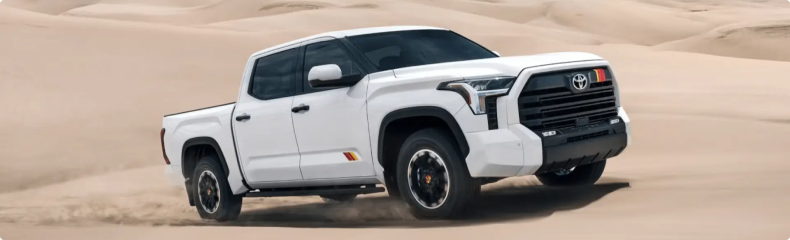
Toyota Tundra i-FORCE MAX

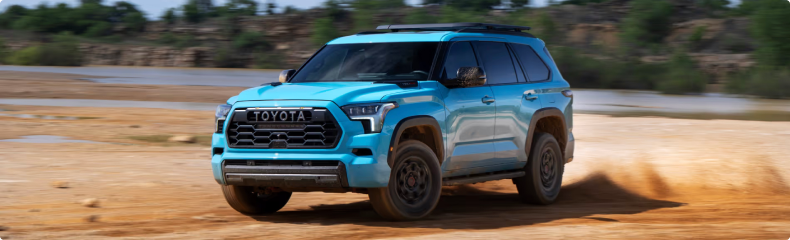
The 3.4L V6 i-FORCE MAX is the only powertrain offered in the Toyota Sequoia. Every Sequoia trim (SR5, Limited, 1794 Edition, Platinum, TRD Pro, Capstone) uses this hybrid system. The Sequoia is rated for up to 9,520 lbs of towing when properly equipped, and EPA fuel economy is 21/24/22 mpg city/highway/combined on 4x2 configurations and 19/22/20 on most 4x4 configurations.

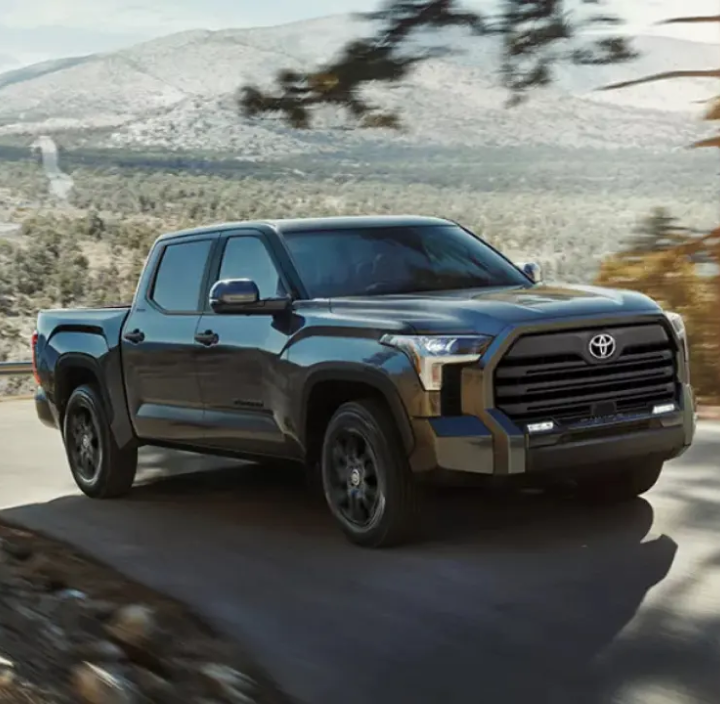
On the Toyota Tundra, i-FORCE MAX is the exclusive powertrain on the TRD Pro and Capstone trims and is available as an upgrade on the Limited, Platinum, and 1794 Edition over the standard 3.4-liter twin-turbo gas V6. Tundra i-FORCE MAX fuel economy runs 20/24/22 mpg on 4x2 hybrid trims, 19/22/20 on the 4x4 versions of those same trims and the Capstone, and 18/20/19 on the TRD Pro 4x4.
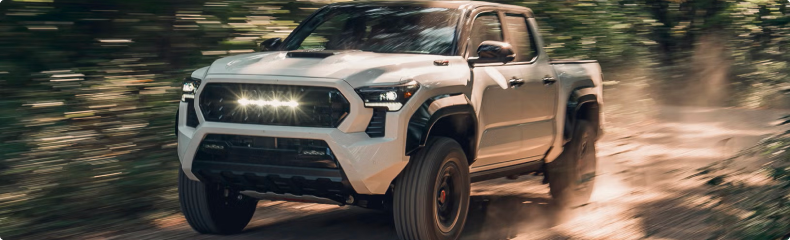
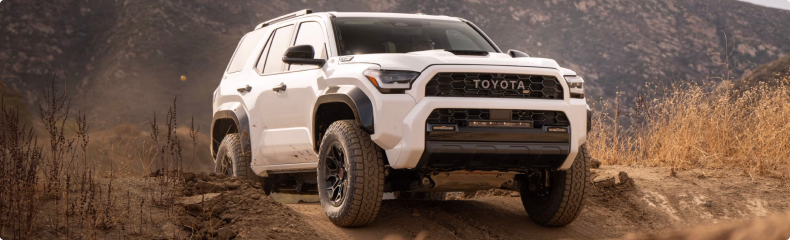
The 2.4L Turbo i-FORCE MAX

The 2.4L Turbo i-FORCE MAX is Toyota's mid-size hybrid system, built for body-on-frame trucks and SUVs that work off pavement. It produces 465 lb-ft of torque from a 4-cylinder, only 118 lb-ft short of the larger V6 in a lighter and smaller package, with peak torque arriving at just 1,700 rpm. The system pairs a turbocharged 2.4-liter 4-cylinder (engine code T24A-FTS) with the same 48-horsepower electric motor used in the larger i-FORCE MAX, here integrated directly into the 8-speed automatic transmission. Net output is 326 horsepower and 465 lb-ft of torque.

Specification Detail
Engine code T24A-FTS
Application Tacoma, 4Runner, Land Cruiser
Gasoline engine 2.4-liter Turbocharged 4-Cylinder
Displacement 2,393 cc
Compression ratio 11.0:1
Hybrid system net power 326 hp at 6,000 rpm
Hybrid system net torque 465 lb-ft at 1,700 rpm
Electric motor 48 hp / 184 lb-ft
Hybrid battery 288V Nickel-Metal Hydride, 1.87 kWh
Transmission 8-speed Automatic (ECT-i)
Max towing capacity Up to 6,000 lbs (Tacoma, properly equipped)

How the System Works

The 48-horsepower electric motor lives inside the 8-speed automatic transmission and draws power from a 288-volt nickel-metal hydride battery. Peak torque hits at 1,700 rpm, which makes a measurable difference for low-speed work: rock crawling, climbing trail obstacles, getting a loaded trailer moving from a stop. The electric assist also fills in during the brief moments a turbocharged engine is building boost, so throttle response stays even from idle through the top of the rpm range.

A note on the engine code: the T24A-FTS is also offered without the hybrid system as a turbocharged gas-only powertrain in the Tacoma, 4Runner, Highlander, and Grand Highlander. The hybrid and non-hybrid versions share the same engine block but differ in output, transmission tuning, and intended duty.

Vehicles Powered by the 2.4L Turbo i-FORCE MAX

Vehicles Powered by the 2.4L Turbo i-FORCE MAX

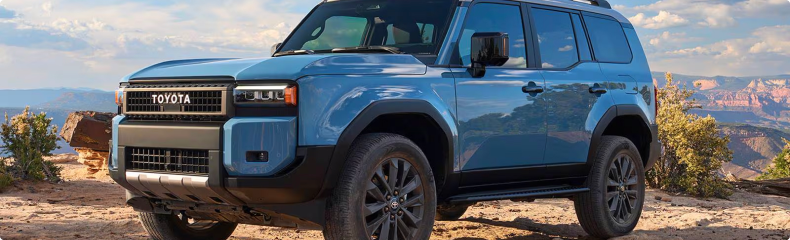
The 2.4L Turbo i-FORCE MAX is the only powertrain offered in the Toyota Land Cruiser, where it is standard on both the 1958 trim and the Land Cruiser trim. Both run full-time 4WD with center and rear locking differentials, are rated for up to 6,000 lbs of towing, and return an EPA-estimated 22/25/23 mpg city/highway/combined.

On the Toyota Tacoma, the 2.4L i-FORCE MAX is standard on the TRD Pro and Trailhunter trims and available on the TRD Sport, TRD Off-Road, and Limited. All Tacoma i-FORCE MAX trims are 4x4 and run up to 6,000 lbs of towing. On the Toyota 4Runner, the 2.4L i-FORCE MAX is standard on the TRD Pro, Trailhunter, and Platinum trims and available on the TRD Off-Road, TRD Off-Road Premium, and Limited. Every i-FORCE MAX 4Runner is 4WD, rated for up to 6,000 lbs of towing, and EPA-rated at 23/24/23 mpg.

What Both i-FORCE MAX Powertrains Share

What Both i-FORCE MAX Powertrains Share

Both i-FORCE MAX systems use the same 48-horsepower permanent-magnet synchronous motor producing 184 lb-ft of torque, the same 288-volt nickel-metal hydride battery, and the same parallel hybrid layout where the electric motor works in tandem with the gas engine or runs independently when conditions allow. The unifying design choice is what the electric motor does: instead of chasing maximum fuel economy, both systems use the motor to fill in low-rpm torque and protect throttle response.

Both systems use a conventional planetary automatic transmission (10-speed on the V6, 8-speed on the 4-cylinder), not the eCVT setup used in Toyota's passenger-car hybrids like the Prius and RAV4 Hybrid. Drivers used to those vehicles will notice a different feel from i-FORCE MAX, which holds gears like a traditional automatic and shifts with the engagement of a conventional truck or SUV transmission.

Every i-FORCE MAX vehicle also carries a 2,400-watt AC power outlet system that turns the truck or SUV into a mobile generator capable of running power tools, camp equipment, or emergency appliances. The Tundra and Sequoia run outlets in both the cabin and the bed or cargo area; the Tacoma, 4Runner, and Land Cruiser route inverter power through cabin and cargo-area outlets.

How i-FORCE MAX Compares to the Non-Hybrid i-FORCE

Toyota offers i-FORCE MAX hybrid powertrains alongside non-hybrid i-FORCE versions on most of the same vehicles. The hybrid adds power and torque and a modest fuel-economy gain. The trade is a few hundred pounds of curb weight, a lower peak tow rating on the full-size Tundra, a higher starting price, and a more complex powertrain.

Spec 3.4L V6 i-FORCE (gas) 3.4L V6 i-FORCE MAX (hybrid) 2.4L Turbo i-FORCE (gas) 2.4L Turbo i-FORCE MAX (hybrid)
Vehicles Tundra Tundra, Sequoia Tacoma, 4Runner, Highlander, Grand Highlander Tacoma, 4Runner, Land Cruiser
Peak horsepower Up to 389 hp 437 hp 278 hp 326 hp
Peak torque Up to 479 lb-ft 583 lb-ft 317 lb-ft 465 lb-ft
Transmission 10-speed automatic 10-speed automatic 8-speed automatic (6-speed manual on Tacoma) 8-speed automatic
Max towing (peak) 12,000 lbs (Tundra) 11,450 lbs (Tundra) 6,500 lbs (Tacoma) 6,000 lbs
Best combined MPG 20 mpg (Tundra 4x2) 22 mpg (Tundra 4x2) 23 mpg (Tacoma SR5 4x2) 23 mpg (Tacoma, 4Runner, Land Cruiser)

The hybrid is the right pick for drivers who want maximum power and torque, smoother low-speed response, and a small but real fuel-economy advantage. The non-hybrid i-FORCE is the right pick for buyers who need the highest possible peak tow rating on a full-size truck, prefer a lower starting price, or want a simpler mechanical setup with no high-voltage battery system to consider over the long term. Both powertrains share the same underlying gas engine block within each family, so engine maintenance and serviceability are similar.

Service and Maintenance for i-FORCE MAX

Service and Maintenance for i-FORCE MAX

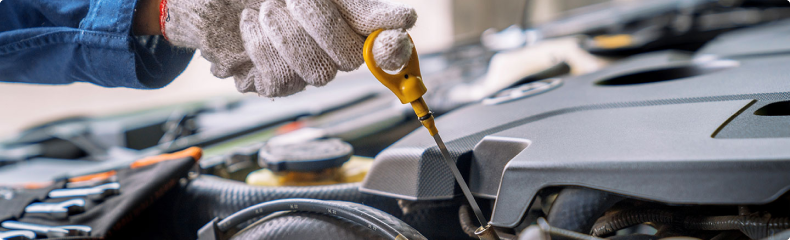
i-FORCE MAX hybrid systems need the same scheduled engine maintenance as a non-hybrid Toyota: oil changes, fluid checks, filter replacements, and tire rotations on factory-recommended intervals. The hybrid components, including the 288-volt battery, electric motor, inverter, and hybrid cooling system, are sealed assemblies that do not require routine fluid service the way the engine does, but they are inspected during scheduled visits.

Every new Toyota at Mike Kelly Toyota of Uniontown comes with ToyotaCare, which covers normal factory-scheduled maintenance for 2 years or 25,000 miles, whichever comes first, plus 2 years of unlimited-mileage roadside assistance. ToyotaCare Plus is available as an extension for owners who want to keep that coverage running beyond the initial period. The hybrid components on every i-FORCE MAX vehicle carry separate warranty coverage of 10 years or 150,000 miles, including the hybrid battery itself. Our factory-trained service technicians handle every i-FORCE MAX appointment, from routine oil changes to hybrid-system diagnostics.

Driving i-FORCE MAX in Western Pennsylvania

Driving i-FORCE MAX in Western Pennsylvania

Western Pennsylvania puts trucks and SUVs to real work. Drivers in Uniontown, Connellsville, Brownsville, Waynesburg, and the broader Fayette County region handle steep grades on Route 40 and Route 119, towing runs to recreational areas around Ohiopyle, the Youghiogheny, and Cheat Lake, and a Laurel Highlands snowfall belt that can drop 80 inches a year near Seven Springs and Hidden Valley.

The low-rpm torque profile of both i-FORCE MAX powertrains lines up with how trucks and SUVs are actually used here. Peak torque arrives early, before the engine has to wind up, which matters when pulling a boat trailer to Yough Reservoir, hauling a camper to Ohiopyle State Park or Cooper's Rock above Morgantown, or moving a loaded Sequoia out of a snowy driveway. The 4WD configurations available on every i-FORCE MAX vehicle add a second axle of grip when traction is the priority, and the body-on-frame construction holds up to the road conditions and use patterns common across the region.

The 2,400-watt AC inverter built into every i-FORCE MAX vehicle is also useful for the kind of work and recreation common in Fayette and Greene County: powering tools at a remote jobsite, running a fridge or lights at an Ohiopyle campsite, or providing backup power at home during a winter outage.

Frequently Asked Questions About i-FORCE MAX

What does i-FORCE MAX mean?

i-FORCE MAX is Toyota's name for two performance-oriented hybrid powertrains: the 3.4-liter twin-turbo V6 in the Tundra and Sequoia, and the 2.4-liter turbo 4-cylinder in the Tacoma, 4Runner, and Land Cruiser. Both pair a turbocharged gas engine with a 48-horsepower electric motor and a 288-volt nickel-metal hydride battery. The "MAX" distinguishes these from Toyota's standard i-FORCE non-hybrid engines.

What is the difference between the 3.4L V6 i-FORCE MAX and the 2.4L Turbo i-FORCE MAX?

The 3.4-liter V6 produces 437 horsepower and 583 lb-ft of torque and is built for full-size truck and SUV duty in the Tundra and Sequoia. The 2.4-liter turbo produces 326 horsepower and 465 lb-ft of torque and is built for mid-size off-road and capability work in the Tacoma, 4Runner, and Land Cruiser. Both share the same electric motor, battery, and parallel hybrid architecture. They differ in the gas engine, the transmission, and the vehicle class they serve.

Should I get the i-FORCE MAX or the non-hybrid i-FORCE?

Pick i-FORCE MAX for more power, more torque, slightly better fuel economy, and a smoother low-speed response. Pick the non-hybrid i-FORCE for higher peak tow capacity on the full-size Tundra, a lower starting price, and a simpler mechanical setup. The two share the same gas engine block within each family, so engine maintenance and serviceability are comparable.

Does i-FORCE MAX need to be plugged in?

No. i-FORCE MAX is a self-charging hybrid, not a plug-in hybrid. The 288-volt battery is charged by the gas engine and through regenerative braking. There is no charge port.

How is i-FORCE MAX different from a Prius or RAV4 Hybrid?

A Prius or RAV4 Hybrid uses a smaller hybrid system tuned primarily for fuel economy in passenger-car and compact-SUV applications. i-FORCE MAX uses a larger hybrid system tuned primarily to add torque and performance in truck and body-on-frame SUV applications. i-FORCE MAX uses a conventional automatic transmission and a 48-horsepower motor placed in the drivetrain itself, so it drives like a traditional truck or SUV rather than a passenger-car hybrid.

How long does the i-FORCE MAX hybrid battery last?

Toyota's hybrid battery warranty on the i-FORCE MAX system runs for 10 years or 150,000 miles, whichever comes first. Toyota's nickel-metal hydride hybrid batteries have a long track record in vehicles like the Prius and Highlander Hybrid, where many units continue to function past the warranty period in normal use.

How much does towing reduce i-FORCE MAX fuel economy?

Towing near maximum capacity cuts fuel economy substantially. A Tundra i-FORCE MAX rated at 22 mpg combined will commonly return around 9 to 12 mpg when pulling a loaded trailer at highway speeds, depending on trailer weight, grade, and conditions. The hybrid system's low-rpm electric torque assist helps under load, but the basic physics of moving several thousand extra pounds still apply.

Can the i-FORCE MAX run on electric power alone?

Briefly. The system can run on electric power alone for short stretches at low speeds, such as creeping in a parking lot or moving off the line from a stop, before the gas engine engages. It is not built for sustained electric-only driving the way a plug-in hybrid is. The electric motor's main job is to assist the gas engine, not replace it.

Find a Toyota with the i-FORCE MAX Powertrain

Find a Toyota with the i-FORCE MAX Powertrain

i-FORCE MAX is currently offered on five 2026 Toyota models: Tundra, Sequoia, Tacoma, 4Runner, and Land Cruiser. Inventory rotates, and current trim, color, and configuration options are visible in the live inventory listings.